BALI SERVICE
Bali Project Supervision Services
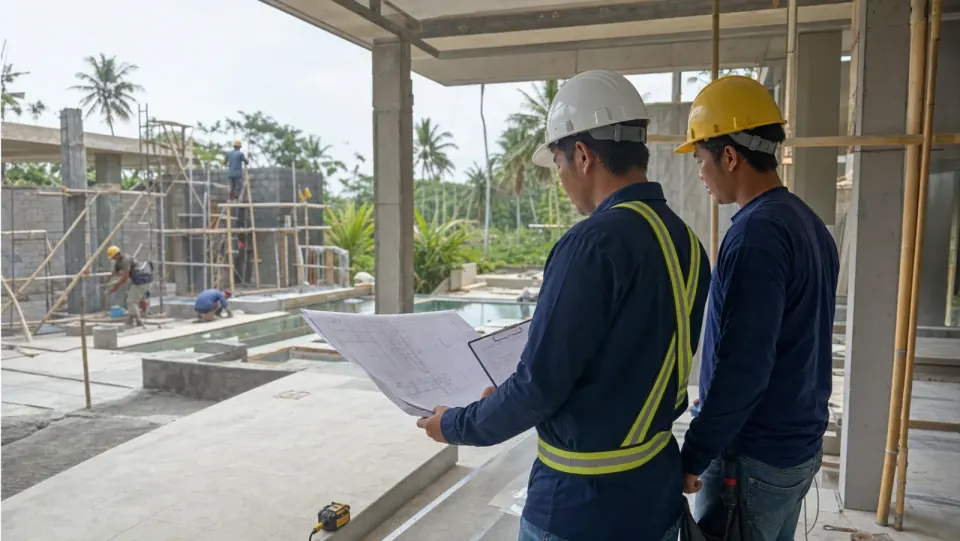
Bali project supervision services with periodic or intensive site visits covering execution, quality, workforce, materials, progress and issue follow-up.
FIELD CONTEXT
See the relevant conditions, process and control points.
Images clarify the scope of discussion. Final conditions and methods still follow the survey, documents and actual engagement boundaries.
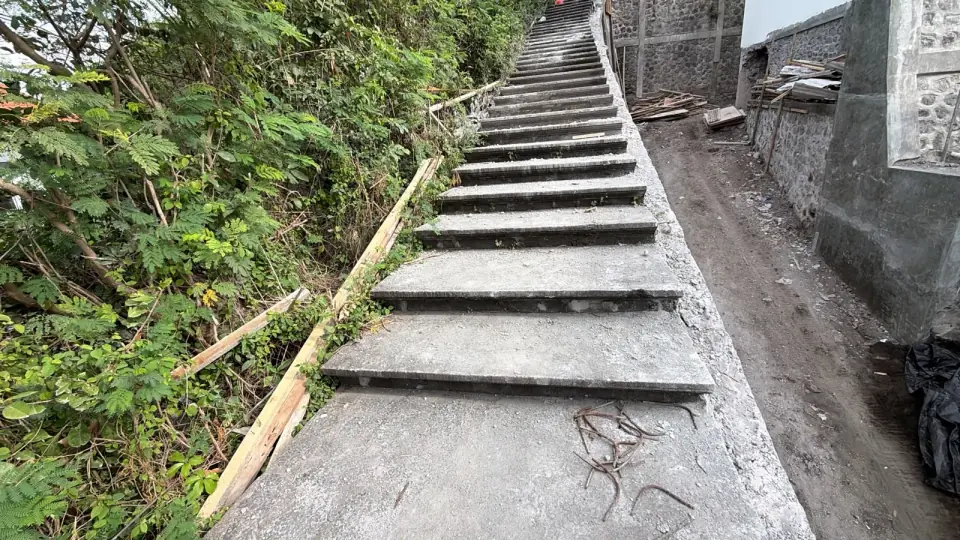
Tread geometry, levels, edges, relationship to the slope and work access should be checked before finishing.
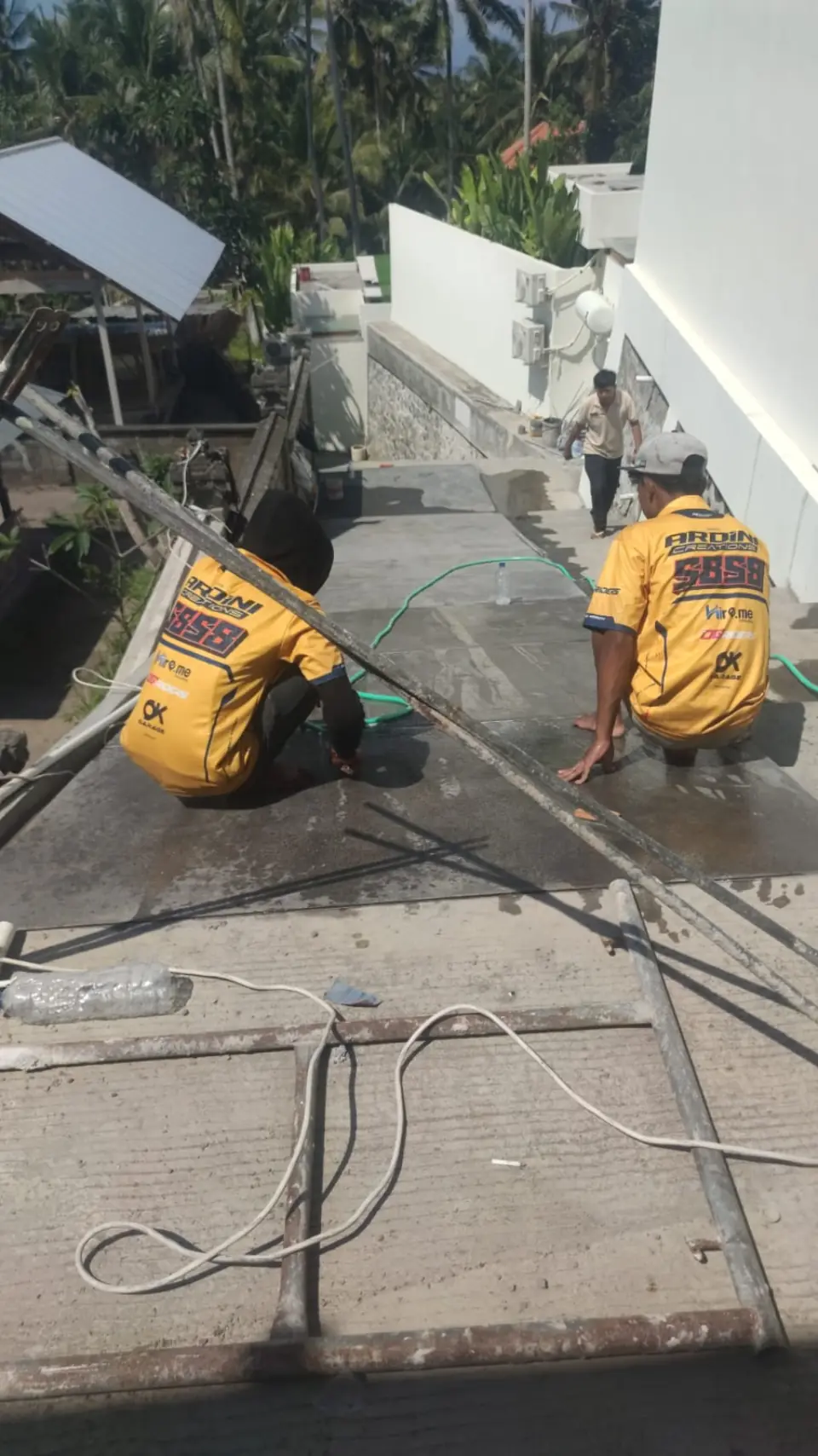
Surface cleaning is carried out before inspection, local repairs or the next finishing system is applied.
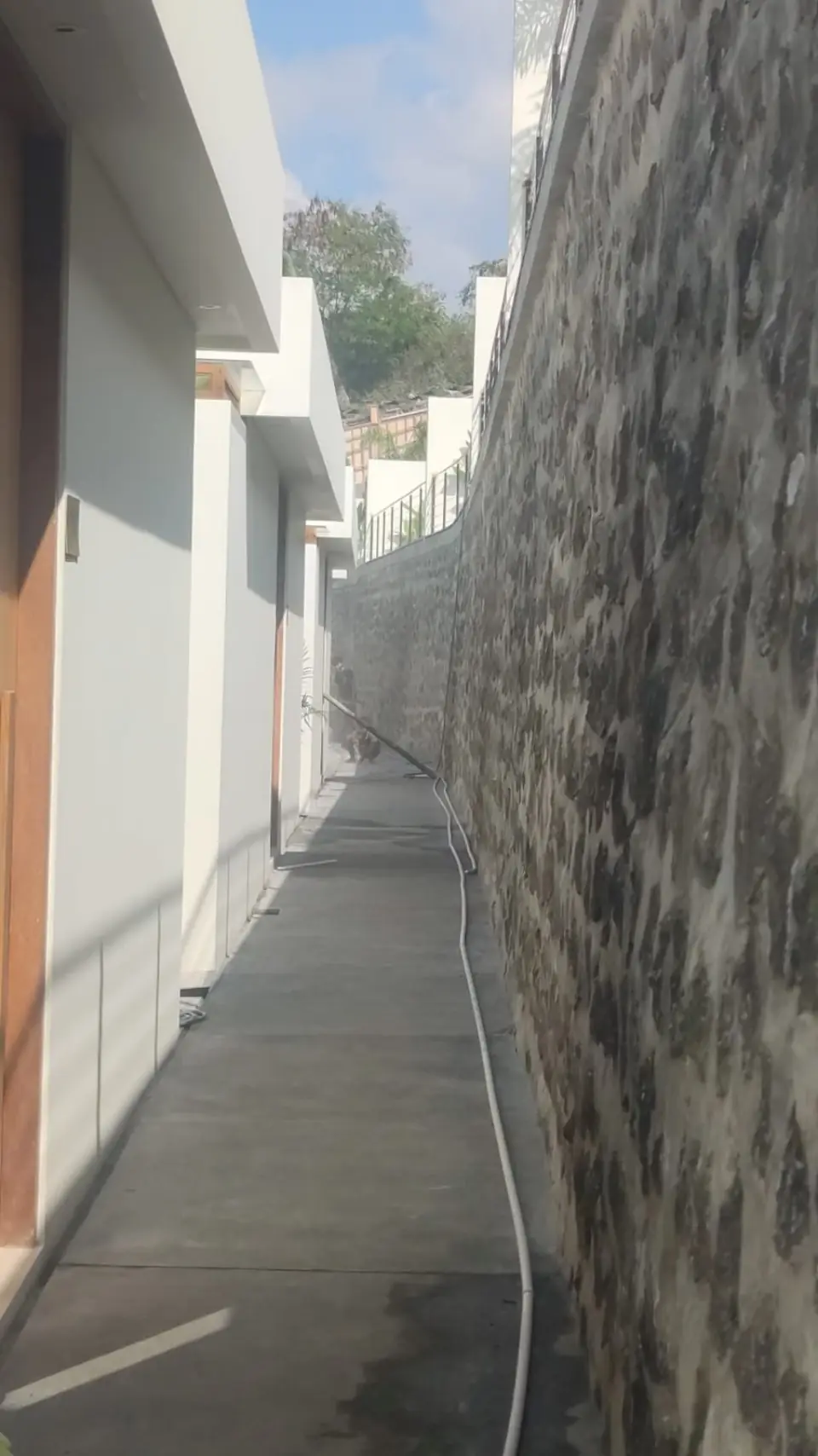
Corridor documentation helps verify access, surface drainage, housekeeping and readiness for the next work stage.
SERVICE FIT
When to choose Bali Project Supervision Services?
Bali project supervision should begin with clear role boundaries. A supervisor may monitor progress, workmanship, material readiness, workforce coordination and issue closure, while authority to accept work, issue instructions or approve variations must be defined in writing.
- The owner cannot attend the project regularly
- Work has critical inspection points before concealment
- Progress reports need comparison with actual conditions
- Contractors, vendors and workers need a follow-up path
DECISION PURPOSE
Start with the decision that needs to be made.
Bali project supervision services should define attendance frequency, inspection points, reference documents, authority limits, reporting format and how findings are tracked to closure.
Final scope is set after understanding the location, project stage, documents, involved parties, timeline and reporting needs.
Daily or weekly visits
Photo and progress reports
Corrective-action coordination
Actual-work evaluation
RISKS TO MAP
Items to understand before moving forward.
This is not an automatic conclusion. Each item should be tested against documents, actual conditions and agreed responsibilities.
Work is concealed before inspection
Materials or methods change without approval records
Physical progress and payment claims use different bases
Findings recur because corrective action is not verified
DELIVERABLES
Findings summary
Key information, sources, review limits and verification status are structured for review.
Documentation
Photos, notes, comparisons, documents or supporting evidence relevant to the engagement.
Action priorities
Items to clarify, decide, rectify, test or monitor.
Transparent limits
Items needing specialists, testing or further legal review are clearly identified.
WORKFLOW
From initial clarification to recorded follow-up.
Clarify
Goal, location, stage, documents, parties, schedule and main decision.
Define scope
Methods, visits, sources, limits, deliverables and report frequency.
Review
Collect evidence, compare information, record gaps and escalate material issues.
Follow up
Separate facts, assumptions, recommendations, decisions, owners and closure status.
STARTING INFORMATION
Information that makes the scope more precise.
- Project location or target area and available access notes.
- Objective, current stage, urgent decisions and deadlines.
- Existing documents, photographs, proposals, drawings, schedules or communication.
- Involved parties and the responsibilities currently understood.
RELATED GUIDES
Prepare better questions before a consultation.
Quality Control vs Project Supervision
Quality control focuses on workmanship quality, while project supervision covers execution, coordination, progress, workforce, materials and follow-up.
Project ManagementManaging a Bali Construction Project from Overseas
Owners need consistent reporting, visual evidence, issue tracking, progress verification and a local representative with clear authority.
FREQUENT QUESTIONS
Questions before requesting the service.
These answers help prepare the initial information. Price, schedule and availability are confirmed against the actual location and scope.
How does project supervision differ from quality control?
Supervision covers execution, coordination, progress, resources, issues and follow-up broadly. Quality control focuses more closely on compliance with drawings, specifications, samples, methods and acceptance criteria.
Must a project supervisor attend every day?
Not always. Attendance depends on the phase, risk, number of parties, inspection points, reporting needs and agreed response to urgent issues.
What is included in a Bali project supervision report?
A report may include measured progress, located photographs, active work, materials, workforce, findings, corrective actions, decisions, owners, target dates and closure status.
How are Bali project supervision fees defined?
Fees are based on location, phase, visit frequency, duration, contractor count, responsibility, meetings, reporting format and additional inspection needs.
RELATED SERVICES
Discuss Bali Project Supervision Services for your project location.
Include location, work type, approximate quantity, condition photographs, target timing and daily or package preference so the request can be assessed faster.