
BALI SERVICE
Construction Quality Control
Checking work against drawings, specifications, methods, approved samples and project quality requirements.
FIELD CONTEXT
See the relevant conditions, process and control points.
Images clarify the scope of discussion. Final conditions and methods still follow the survey, documents and actual engagement boundaries.
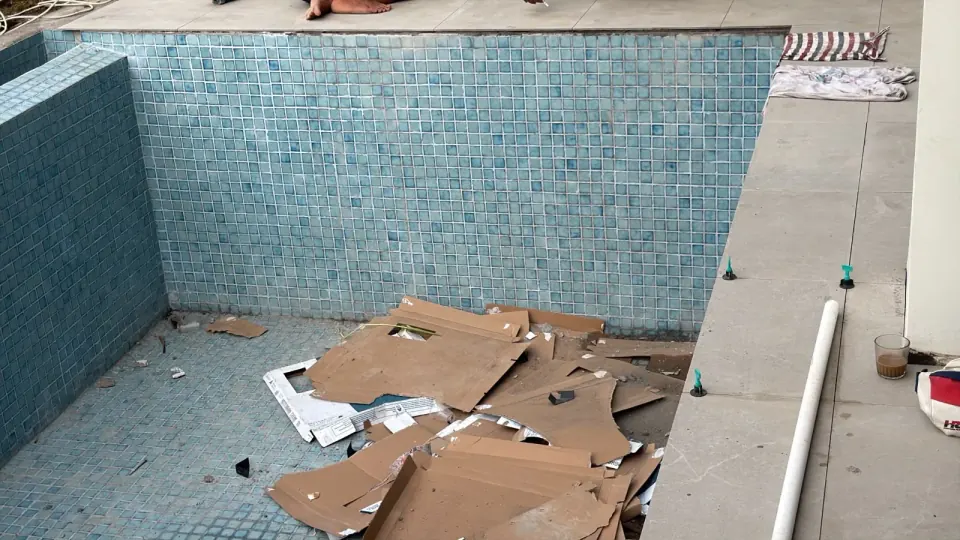
The initial condition is retained as a baseline before repair method and outcome verification.
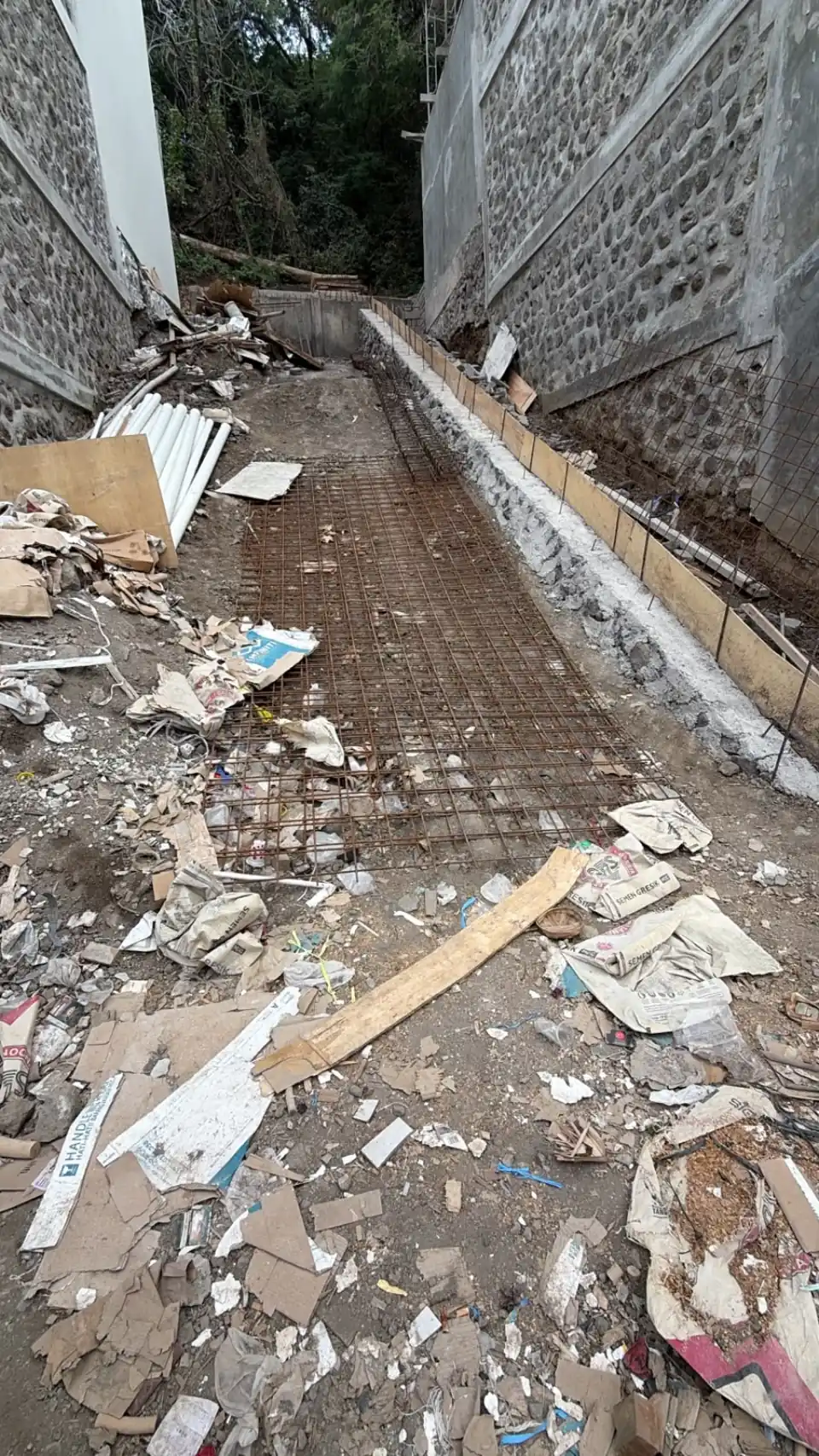
Pre-pour documentation records reinforcement, route boundaries, substrate condition and areas still requiring housekeeping.
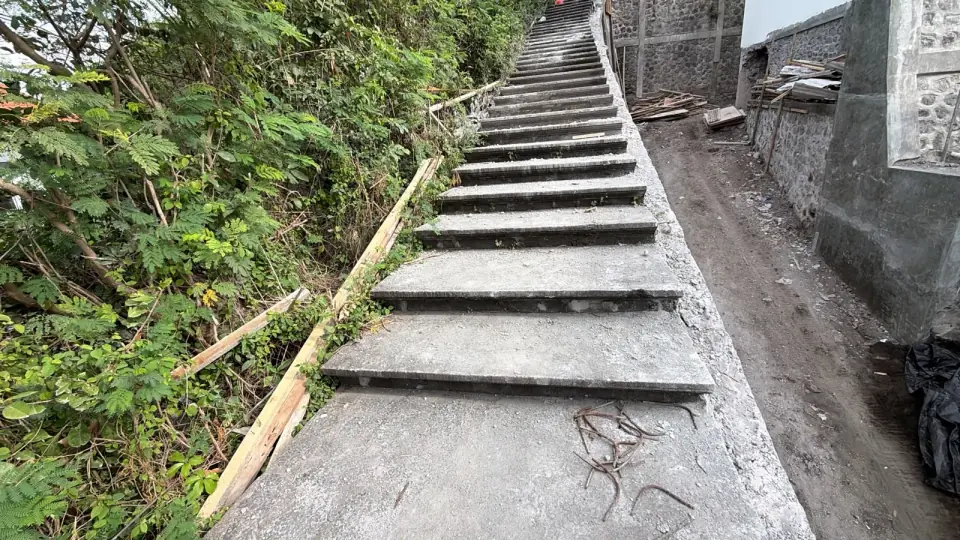
Tread geometry, levels, edges, relationship to the slope and work access should be checked before finishing.
SERVICE FIT
When to choose Construction Quality Control?
Quality control needs clear acceptance references: drawings, specifications, method statements, material approvals, mock-ups, tolerances, data sheets, standards and test results. Inspection without references produces opinions that are difficult to close.
- Owners needing inspection of critical or concealed work
- Finishes requiring mock-ups and acceptance criteria
- Several contractors or vendors deliver interfacing systems
- Defects and rectification need an evidence trail through closure
DECISION PURPOSE
Start with the decision that needs to be made.
The inspection and test plan defines items, references, stages, hold points, witnesses, evidence, responsibilities and status. Findings separate observations, defects, non-conformance, tests and professional-review needs.
Final scope is set after understanding the location, project stage, documents, involved parties, timeline and reporting needs.
Stage-specific inspection checklists
Photo-documented findings
Repair-priority classification
Rectification verification
RISKS TO MAP
Items to understand before moving forward.
This is not an automatic conclusion. Each item should be tested against documents, actual conditions and agreed responsibilities.
Work is concealed before inspection and evidence are received
Materials or methods change without approval and traceability
An approved mock-up is not used as the production reference
Findings close from messages without reinspection or adequate evidence
DELIVERABLES
Inspection plan
Packages, references, checklists, hold points, witnesses, frequency and evidence are defined.
Quality register
Inspections, status, locations, results, photographs, records and attendees are traceable.
Finding register
Defects, NCRs, priority, responsibility, targets, actions and closure evidence are recorded.
Trend report
Recurring findings, risk areas, test status and outstanding items are summarised for decisions.
ENGAGEMENT FORMAT
Scope and duration follow actual conditions.
Available as one-stage inspection, recurring visits or a planned QC function. Scope defines disciplines, phases, frequency, references, authority, testing and interfaces with contractor and designers.
The final proposal states visits or stages, reporting format, involved parties, exclusions and conditions that may change timing.
WORKFLOW
From initial clarification to recorded follow-up.
Clarify
Goal, location, stage, documents, parties, schedule and main decision.
Define scope
Methods, visits, sources, limits, deliverables and report frequency.
Review
Collect evidence, compare information, record gaps and escalate material issues.
Follow up
Separate facts, assumptions, recommendations, decisions, owners and closure status.
STARTING INFORMATION
Information that makes the scope more precise.
- Project location or target area and available access notes.
- Objective, current stage, urgent decisions and deadlines.
- Existing documents, photographs, proposals, drawings, schedules or communication.
- Involved parties and the responsibilities currently understood.
RELATED GUIDES
Prepare better questions before a consultation.
Quality Control vs Project Supervision
Quality control focuses on workmanship quality, while project supervision covers execution, coordination, progress, workforce, materials and follow-up.
Quality ControlVilla Handover Inspection Checklist
A handover should cover architectural defects, MEP functions, waterproofing, pools, documentation and incomplete works.
FREQUENT QUESTIONS
Questions before requesting the service.
These answers help prepare the initial information. Price, schedule and availability are confirmed against the actual location and scope.
How does QC differ from project supervision?
QC focuses on work and process compliance with quality references. Supervision may also cover progress, coordination, labour, material, issues and broader follow-up.
Can QC stop work?
Authority must be written. Safety risks require immediate escalation, while contractual instructions follow authorised routes.
Can all work be checked after completion?
No. Reinforcement, waterproofing, MEP routes, joints and concealed work require hold points before access is lost.
RELATED SERVICES
Discuss Construction Quality Control for your project location.
Include location, work type, approximate quantity, condition photographs, target timing and daily or package preference so the request can be assessed faster.