
The short answer
A labour-only package primarily covers the workforce carrying out the agreed work, with the main materials supplied by the party named in the quotation. A labour-and-material package also covers procurement to a written specification. Either can suit civil works or painting in Bali. The better choice depends on the drawings and quantities available, who can manage purchasing, and how clearly the required result can be described.
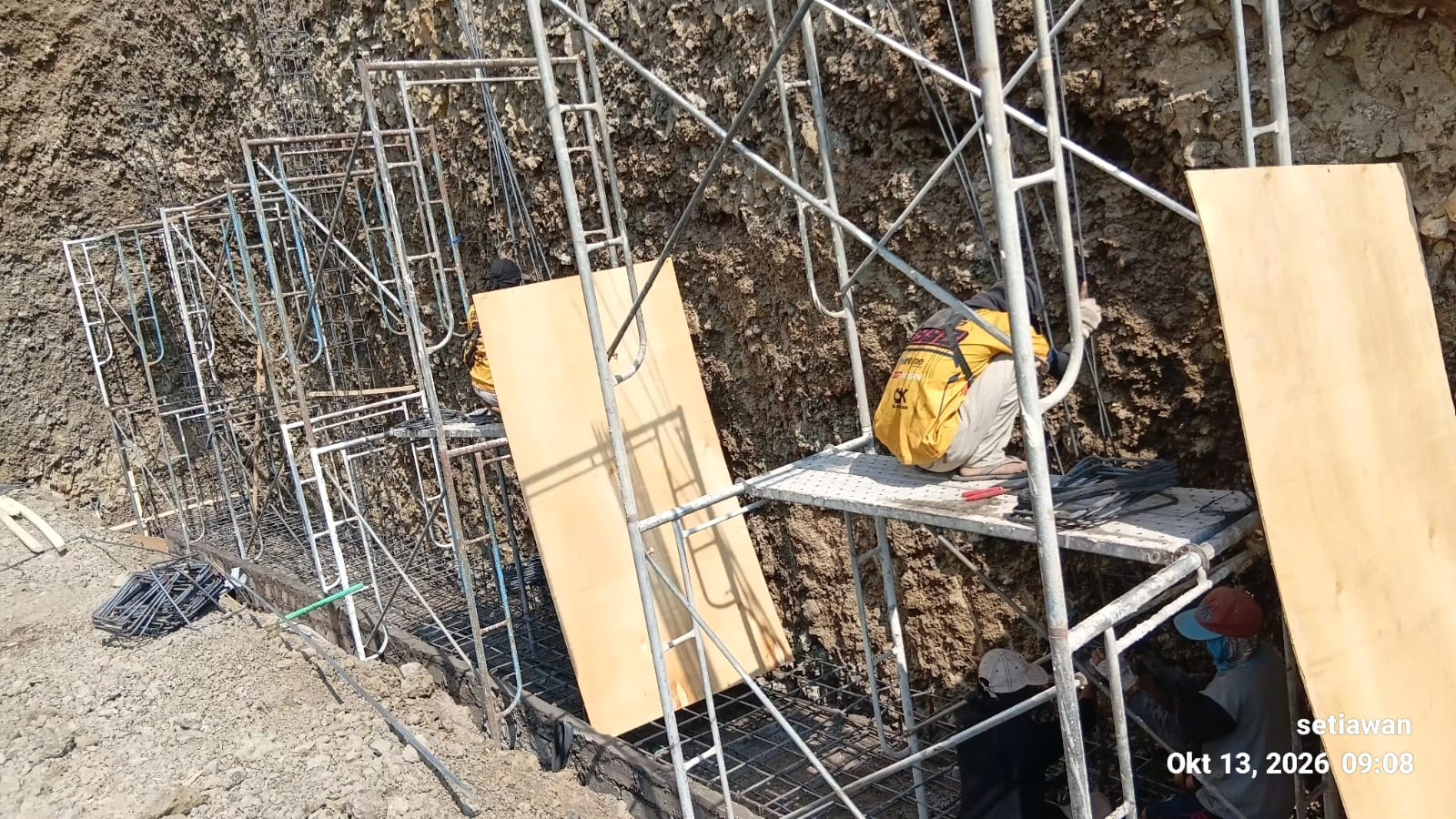
1. Start with who can manage material purchasing
Consider labour only if you already have suppliers, can approve orders promptly, and have someone to receive and check deliveries. This gives you direct control over material selection and purchasing. The crew still needs the correct materials when required: late deliveries can change the work sequence and completion targets.
Consider labour and materials if you want one party to coordinate installation and purchasing for a defined package. Record product types, sizes, brands or specifications, colours, quantities and the required finish. A package name does not automatically cover every building requirement. Concealed repairs, specialist equipment, scaffolding and waste removal still need individual clarification.
2. Compare responsibilities before comparing totals
The table below is a starting point for clarification, rather than an automatic rule for every quotation. Put a responsible party against each item in your own project documents. This is especially useful when an overseas owner relies on a Bali property manager to organise purchasing.
| Item | Labour only | Labour and materials |
|---|---|---|
| Workforce and site coordination | Record skills, team size and foreman responsibilities | Record skills, team size and foreman responsibilities |
| Civil materials: blocks, cement, sand, steel, stone | Name the supplier and agree delivery timing | Only materials listed in the package specification |
| Painting materials: primer, filler, finish paint | Agree the purchasing party and specification | List products, colours, coat counts and supporting materials |
| Tools, scaffolding, water, power and protection | Confirm each item; inclusion is not automatic | Confirm each item; inclusion is not automatic |
| Receiving, storage and leftover materials | Assign responsibilities and keep records | Assign responsibilities and keep records |
| Additional work and substrate repairs | Measure and approve through the change procedure | Measure and approve items outside the package specification |
3. Use a consistent basis for measuring civil work and painting
For civil works, separate foundations, reinforcement, formwork, masonry, plaster, skim coat and flooring. Use an appropriate unit for each item and identify the drawing or measurement used. Unpack descriptions such as 'wall finishing': does the package cover closing installation chases, straightening corners, plastering and skim coating, or only part of that work?
For painting, separate walls, ceilings, timber and metal. As a measurement example, a wall 6 metres long and 3 metres high has a gross area of 18 m². If agreed opening deductions total 2 m², the net area is 16 m². Two finish coats remain a 16 m² surface with two coats; identify primer and substrate repairs separately according to the actual condition.
4. Agree the finish, timing and change procedure
Before work begins, define the work area, acceptance criteria, sequence, access, stage targets and the person authorised to issue instructions. Painting samples help align colour and finish expectations. For masonry and flooring, agree patterns, lines, levels, joints and inspection stages before the crew moves on.
When additional work is requested, record its location, photographs, quantity, time implications and price before proceeding. Stage payments should relate to work that can be checked. If materials are late or an area is unavailable, agree how the crew will be reassigned and how any programme changes will be discussed.
5. When daily labour may suit, and how to request a BPP quotation
Daily labour may suit phased repairs or tasks whose quantities are not yet clear enough for a package. Still agree daily targets, trade skills, working hours and the tools and materials required. For BPP daily labour, the BPP fee is shown separately from worker wages. Package-work fees are set in the project quotation and do not automatically use the daily-labour fee arrangement.
For a useful quotation, share the Bali project location, condition photographs or video, drawings and dimensions where available, a work list, your preferred start date, and whether you want labour only or labour and materials. Explain whether the home or villa will remain occupied. BPP can discuss civil workforce and painting needs against the scope, site access and team availability.
What to send for a quotation
- Separate civil and painting work items, quantities, units and acceptance criteria.
- Identify who buys, delivers, receives and stores each main material.
- List tools, scaffolding, protection, water, power, cleaning and exclusions.
- Agree instruction authority, stage inspections, payments and approval of additional work.
Questions before work starts
- Who makes sure materials are ready before the crew starts?
- Does the quotation include substrate repairs and access equipment?
- How will additional quantities be measured and approved?