
The short answer
Use this guide to define the work scope and handover between civil trades and painters. Decisions should follow the actual wall condition, project specification, an approved sample and the selected products’ instructions. There is no single mix recipe or waiting period here for every wall.
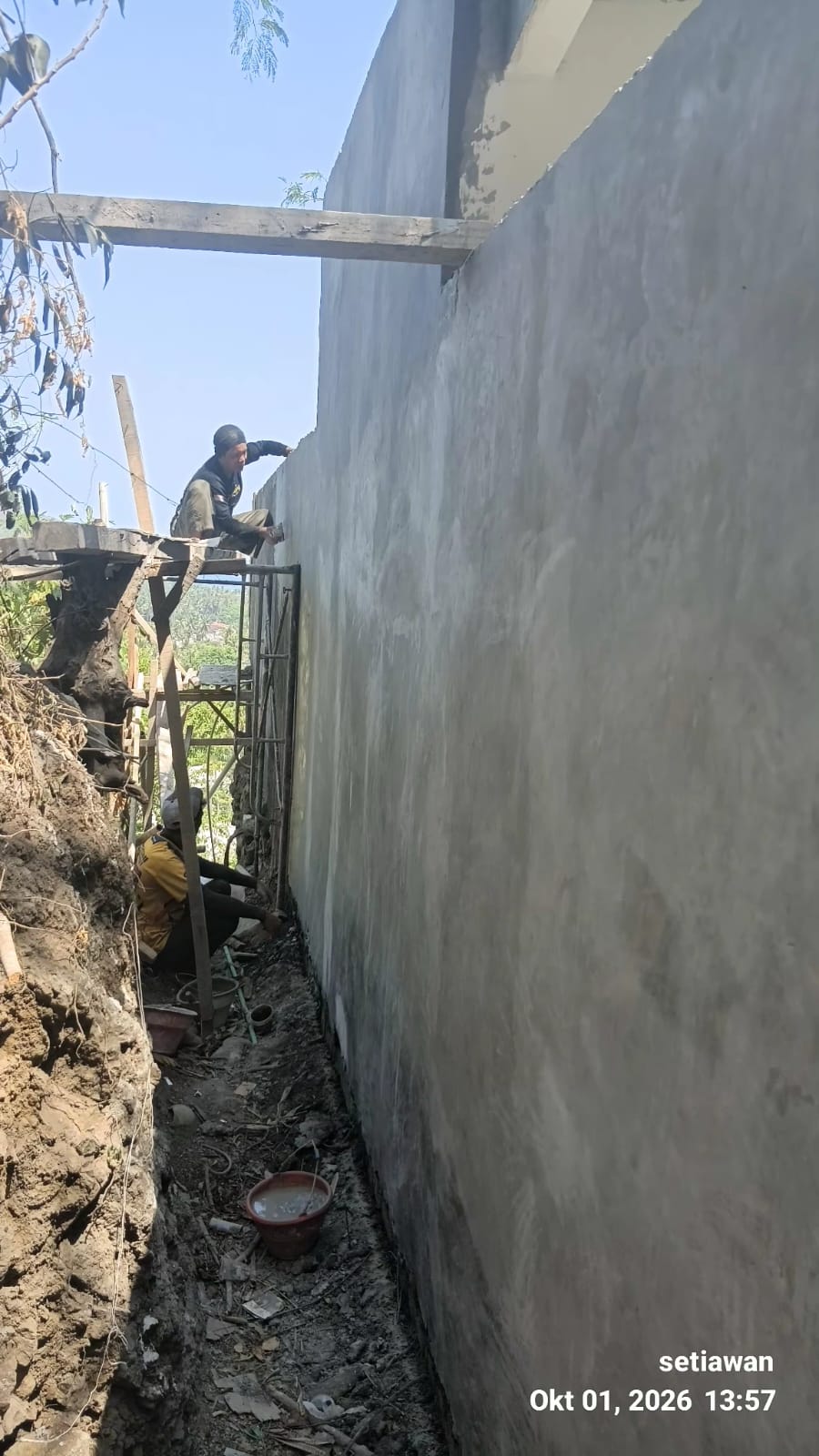
Define what each stage hands over
Plaster generally forms the base surface over masonry. Acian, or a specified skim-coat stage, smooths the surface within the chosen system. Painting includes the agreed preparation and coating layers; paint does not automatically correct a wall that is not ready to receive it.
Site terminology varies. Check whether a quotation’s 'acian', 'skim coat' or 'plamir' refers to the same material, purpose and areas you expect. Do not treat all smoothing products as primers, or assume they can replace one another, without checking the proposed product system.
| Stage | What the scope should describe | Handover point |
|---|---|---|
| Plaster | Areas, masonry substrate, materials, wall planes and edge details | Base surface reviewed before the next layer |
| Acian / skim coat | Product, smoothing areas, local repairs and completion boundary | Surface condition jointly accepted before painting |
| Preparation and paint | Cleaning, agreed preparation, primer and finish coats | Result checked against the sample and inspection list |
Map wall areas, openings and scope boundaries
List rooms or facades, approximate areas, working heights and existing conditions. Separate new walls from existing walls and interior from exterior areas. Marked photographs help both teams identify the same surfaces, especially when the work is phased.
State whether columns, beams, window and door reveals, corners, parapets and areas behind fittings are included. Agree how openings and small surfaces are measured. Deductions, edge details and high-level work should not be left for discussion after the team has completed the job.
Decide who completes each task before painters start
Coordinate services installation that requires opening the wall. Identify who closes service chases, repairs patches and hands over the surface. Record other activities that could still damage the finish, such as fitting frames or fixtures.
Inspect jointly when the civil team reaches its agreed completion boundary. Mark areas needing further work and assign a responsible person and date. If painters are asked to take over additional repairs, agree the scope and cost before they proceed. This helps avoid duplicate charges or unfinished surfaces that each team believes belong to the other.
Agree substrate readiness and the coating system
Review the surface for dampness, leaks, unstable old coatings and unfinished areas. Findings need to be addressed according to their cause and the agreed repair scope before accepting the wall for its next stage. The painters’ arrival date alone does not establish that painting can start.
Select a product system for the actual exposure and intended use. Record the products, preparation, substrate-readiness or moisture requirements, and application sequence from the product documents. Waiting periods and checks must follow the specification and site conditions; avoid promising that every wall will be ready after the same number of days.
Use a sample and a recorded handover
Approve a sample on a representative area. Record colour, texture, sheen and the lighting conditions used for acceptance. Check the completed work against that sample and the agreed project criteria, rather than relying on each person’s memory of what 'smooth' or 'neat' meant.
Before the next stage, review wall planes, edge details, cleanliness, protection of floors and frames, and outstanding repairs. Photograph and record accepted areas and items still needing action. Agree who carries out touch-ups if a later trade damages an accepted surface.
How to compare wall-finishing quotations in Bali
Compare quotations with the same stages and measurement basis. Check labour-only versus labour-and-materials coverage, access equipment, protection, preparation, waste removal and final cleaning. Ask for exclusions in writing, including existing-wall repairs and additional work discovered after opening a surface.
To request a BPP quotation, send the location, current photographs, approximate dimensions, interior or exterior areas and desired finish. The Candidasa Hills documentation shows wall work with BPP acting as a civil workforce provider. BPP also has painting-work documentation from that project.
What to send for a quotation
- List plaster, skim coat, paint preparation, primer and finish coats as separate stages.
- Mark wall areas, dimensions, openings, edge details, working heights and measurement rules.
- Coordinate services installation and activities that may require reopening the wall.
- Record agreed substrate acceptance, the finish sample, protection and cleaning.
- Assign responsibility for repairs and approve costs before transferring tasks to the next team.
Questions before work starts
- Which stages does 'wall finishing' actually include in this quotation?
- Who hands over the wall ready for paint, and who accepts or rejects it?
- Are edge details, openings, protection and cleaning included?
- How are additional repairs and touch-ups caused by later trades approved?
Related guides
Product references
These are examples of manufacturer documentation. Use the documents for the products and system actually selected for the project.